

Playing games and mental wellness are converging more than ever, particularly in demanding strategy games https://turbomines.eu.com/. Turbo Mines, with its concentration on risk and predicting patterns, requires players for sharp focus, calm nerves, and clarity of mind. Numerous who play the game seriously now use organized mindfulness methods to play better. The aim isn’t to win every round. It’s to establish a mental state where smart choices can occur, free from panic or rash behavior.
Exploring Attentiveness within a Game Setting
To a tactical player, mindfulness is more than just chilling out. It’s the cultivated habit of watching one’s mental states, feelings, and physical reactions continuously, without judgment. In Turbo Mines, that means noticing the greedy urge to click again following a big win with equal composure you’d give to the sinking feeling after a loss. It serves as a meta-cognitive tool. That small https://pitchbook.com/profiles/company/436418-11 gap it provides between event and reaction is paramount. Your planned strategy, not a rash feeling, dictates your subsequent move.
Incorporating Mindful awareness within Long-Term Gaming
For lasting benefit, mindfulness must become a regular practice, not merely a method you try sometimes. Think of mental discipline as a skill that demands frequent exercise, both in gaming and beyond the game. Certain players keep a diary to associate their focus levels with their performance. Some add a short period of daily mindfulness to boost their general awareness, which then carries over to the game table. The end goal is for that conscious pause to turn into a natural part of your decision cycle. Gaming becomes a intentional decision, not an impulse. That is how you build a balanced, lasting connection with the pastime over time.
Applying mindfulness for Turbo Mines provides players a method to discover cognitive clarity and emotional stability. The approaches shift the spotlight from random outcomes to the quality of the decisions you take. By grounding yourself before you begin, managing emotions during gaming, and analyzing later, you build a disciplined approach grounded in mindfulness. This assists curb impulsive moves that harm your game, and it encourages a more intentional, measured way of engaging overall.
End-of-Session Reflection and Analysis
Consciousness doesn’t end when you close the game. A structured review transforms your experience into genuine insight. Rather than just checking your final balance, look at how you performed. Ask yourself questions. When did I experience most rash? Did I follow my established loss limit or profit goal? What did stress appear as in my body? This type of analytical, non-blaming review turns every game into actionable data. You learn about your own patterns, which assists you adjust your strategy and strengthen emotional toughness. It turns the process about enduring growth, not just the most recent round’s score.
Pre-Session Grounding and Goal Setting
A mindful session starts before you so much as launch the game. A short, simple routine pulls your mind apart from day-to-day noise and into a state of ready focus. Players often start by setting a balanced, process-oriented intention. A statement like “I’ll pay attention to when I feel risk-averse today” works. Skip outcome-based goals like “I have to win 50 pounds.” Next, a rapid grounding exercise helps. Try focused breathing or a quick scan of your body from head to toe. This soothes your nervous system, dials down background anxiety, and gets your brain for the powerful concentration ahead.
- Find a peaceful spot and sit relaxed for two to three minutes.
- Set a timer and pay attention only to the in-and-out of your breath.
- If your mind wanders to the game or your to-do list, gently guide it back to your breathing.
- Finally, state your defined, process-focused intention for the gameplay ahead.
In-Game Approaches for Emotional Regulation
Feeling waves come with the game. Awareness offers an base when they strike. Use the “one-breath reset.” In the wake of a major moment—a enormous multiplier or a destructive explosion—take a single full, slow puff prior to doing anything else. That short stop disrupts the chain reaction of sheer emotion. Another helpful technique is “noting.” Silently tag the feeling as it arises: “irritation,” “elation,” “greed.” Just naming it opens room. It allows you to see the state without having to act on it. Afterward you can come back to the game from a calmer place.
Cultivating Detachment to Consequences
Maybe the hardest skill of being present for gambling games and skill is letting go. This doesn’t mean you stop trying. It means you deliberately release attachment to a single outcome. In Turbo Mines, every click stands alone. What lies beneath remains unknown until the tile flips. Mindful awareness guides players to direct their attention into the decision process itself—examining the grid, evaluating the chances—while recognizing the result is out of their hands. This approach minimizes “rage,” that angry state after losing that leads to reckless chasing. Moreover, it stops a fortunate win from growing into excessive self-assurance.
The Mental Challenges of Calculated Gaming

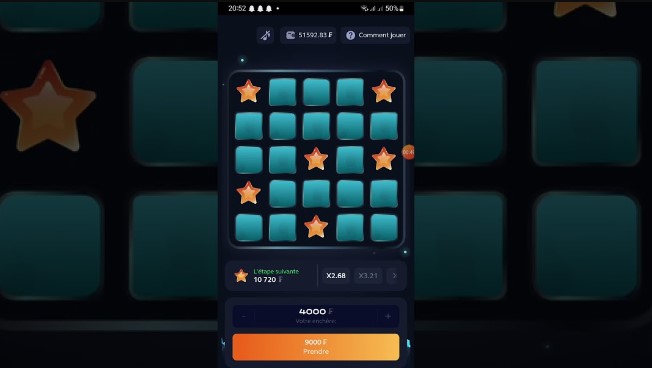
Why does awareness apply here? Start by considering what Turbo Mines demands from your brain. Each round displays a grid hiding multipliers and mines. You tap to uncover multipliers and accumulate a cashout value, but hitting a mine brings everything to zero. You’re trapped in a loop of judging risk, figuring odds, and weighing rewards. The pressure intensifies with each safe click, because the mounting potential loss weighs more. This stress can trigger cognitive traps like loss aversion or the gambler’s fallacy. It can saturate your system with stress hormones, driving decisions based on hope or fear rather than the numbers on the screen.